
Hagia Sophia clearance removes 3,000 tonnes of debris
Researchers have removed approximately 3,000 tonnes of mud and debris from beneath Hagia Sophia since February 2025, exposing previously inaccessible passages and earlier structures. Professor Hasan Firat Diker, a member of the monument's scientific board, described the work at an Istanbul presentation on 16 October.
- Researchers report removing approximately 3,000 tonnes of mud and debris beneath Hagia Sophia since February 2025.
- The work has cleared 170 metres of a route linked to a fifth-century Roman street.
- The remains include infrastructure and burial chambers that predate the present monument.
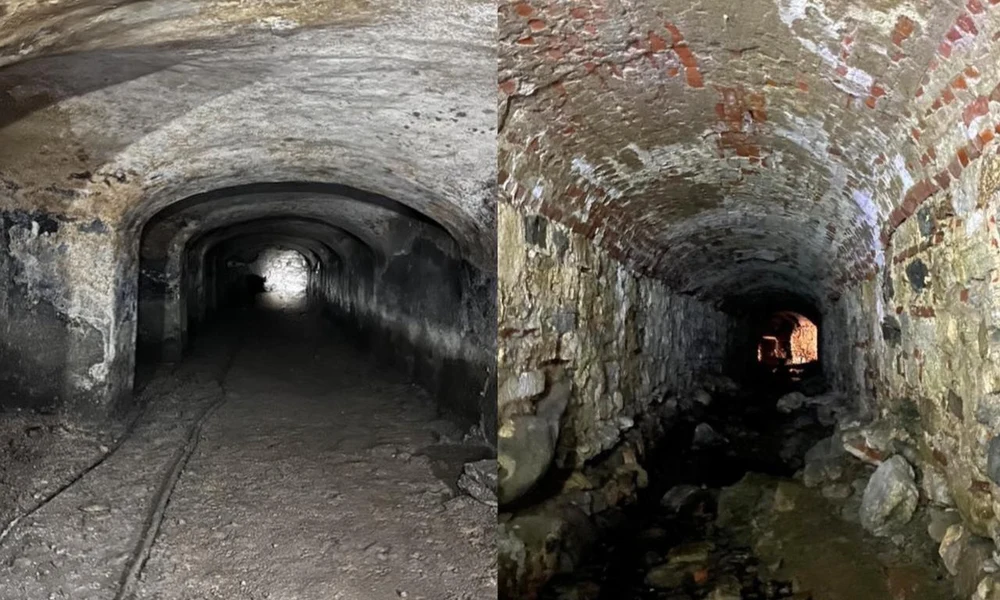
According to the report of his talk, Diker said the Roman underground network served water distribution and drainage functions. Passages carried rainwater away from nearby streets towards the sea around 1,600 years ago. The current work has cleared 170 metres of a route connected to a fifth-century Roman street, part of infrastructure extending between Sarayburnu and Little Hagia Sophia. Diker compared the complexity of the interconnected passages to a modern metro system.
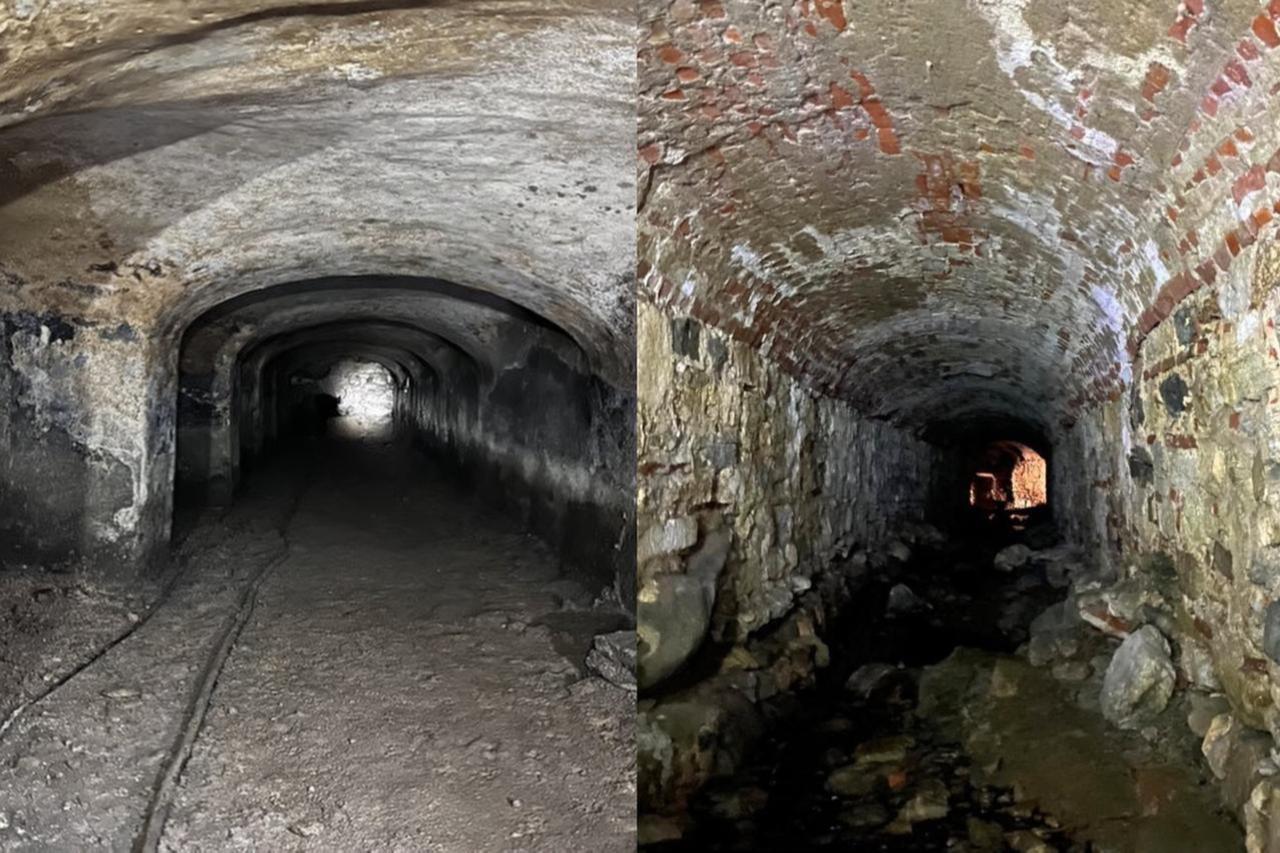
The clearance continues investigations with a long history. German archaeologist Alfons Maria Schneider previously uncovered and recorded the Roman street, while documentation of the underground infrastructure also dates to work in 1943 involving Schneider and the Byzantine Institute of America. Diker's team conducted further surveys inside and outside Hagia Sophia in 2017. The present operation is therefore extending access to known remains as well as examining previously inaccessible sections.
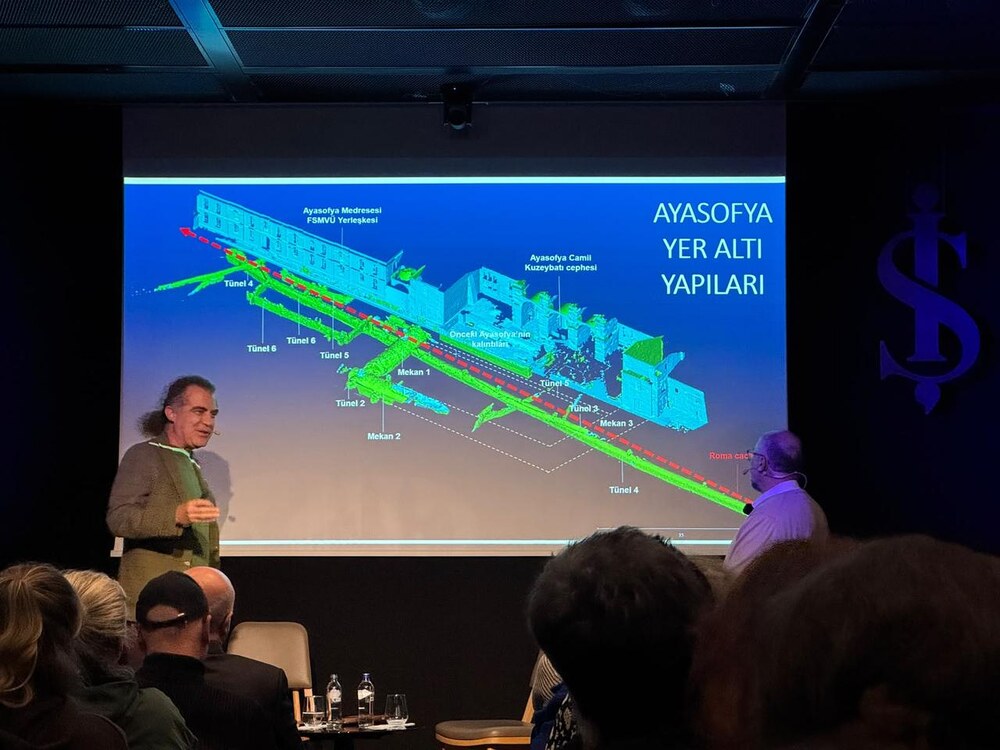
The building standing today is the third Hagia Sophia on the site. Its first predecessor burned down in the fifth century, while the second was destroyed during the Nika riots in Constantinople, now Istanbul. Diker said foundations of the earliest church lie about 2.3 metres below the present structure. In the northeastern area, researchers have also cleared a hypogeum, an underground burial complex of four adjoining chambers discovered by Muzaffer Ramazanoglu in 1946. Diker said the chambers predate Hagia Sophia and had filled with mud; the team excavated a further 1.5 metres beneath the complex.
The scientific board is preparing an exhibition project intended to make more of these underground remains accessible to visitors. Diker said the work was proceeding carefully, but the report gives no opening date or confirmed visitor route. The age of around 1,600 years relates to the Roman infrastructure described in the presentation, while the church foundations and burial chambers belong to distinct archaeological layers.