
Ruhr excavations trace early coal-mining tunnel
Archaeologists have traced a previously unknown coal-mining tunnel at least 130 metres long in Germany's Ruhr region, revealing how miners built underground workings before large-scale industrialisation.
- Researchers identified a previously unknown mining tunnel extending at least 130 metres in Sprockhövel-Haßlinghausen.
- Excavations revealed filled construction shafts and subsidence marking the collapsed tunnel's position underground.
- - The project examines coal mining before the eighteenth century, ahead of the Ruhr's industrial transformation.
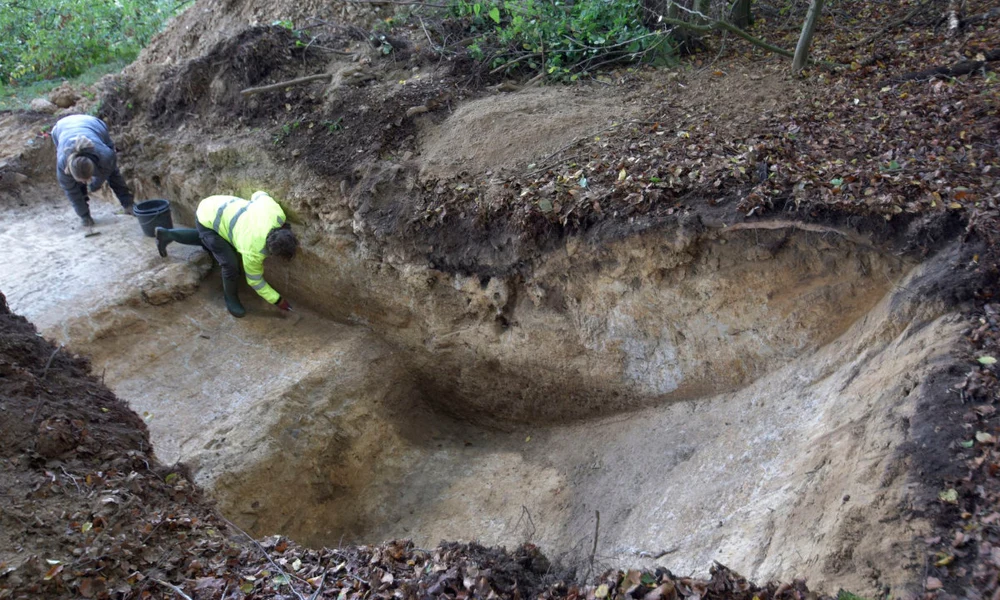
The 2026 campaign used two excavation trenches at shaft openings, alongside drilling into spoil heaps, to investigate the former workings. Researchers recognised filled shafts in the exposed soil layers and identified a zone of subsidence left when the tunnel collapsed after use. This allowed them to locate the deeply buried passage indirectly.
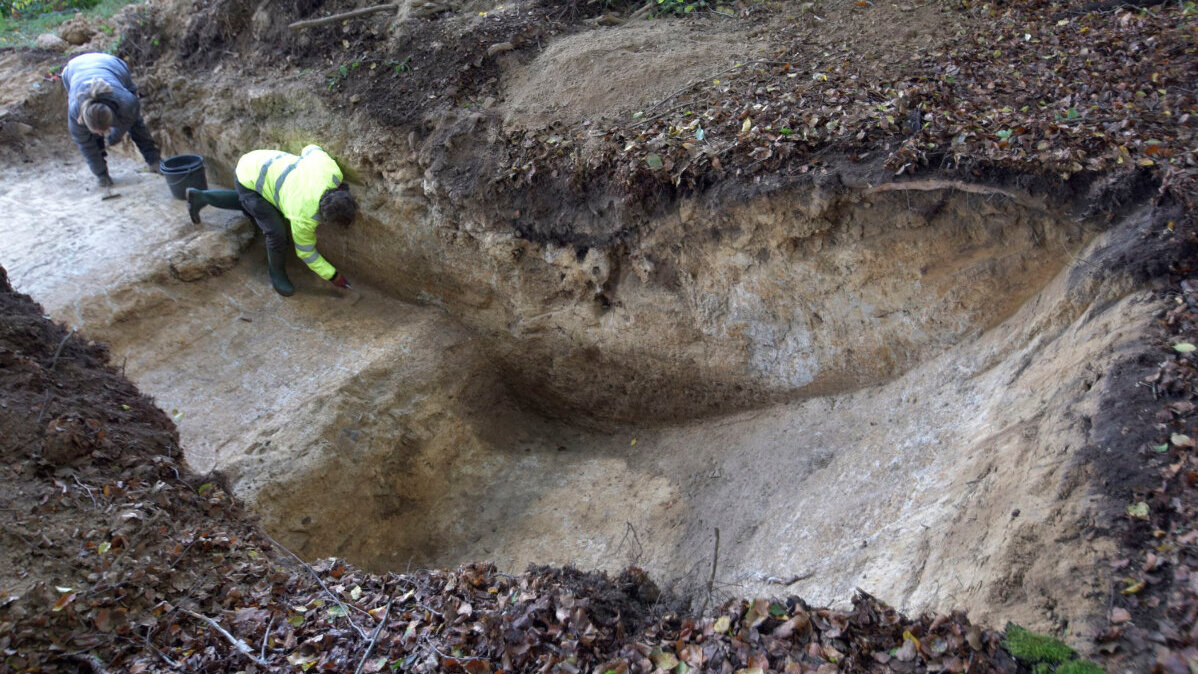
According to Till Kasielke of GeoPark Ruhrgebiet, miners sank several construction shafts and drove separate sections of the tunnel simultaneously before connecting them. The shafts stood beside the tunnel and were filled after construction was complete. The surviving traces indicate a substantial investment of labour. Examining these features helps the team reconstruct the work needed to create a connected underground passage from multiple starting points.
The woodland around Haßlinghausen preserves mine entrances, shafts and spoil heaps associated with early coal extraction. Research there began in 2025 through cooperation between LWL, Deutsches Bergbau-Museum Bochum and GeoPark Ruhrgebiet. That year's investigation examined one of the Ruhr's oldest surviving mining tunnels; the 2026 work continued nearby. Manuel Zeiler of LWL said the area allows researchers to follow the transition from simple pits and shafts to more complex tunnel construction.
You Might Also Like
Jennifer Garner of Deutsches Bergbau-Museum Bochum said the investigations provide evidence for the beginnings of tunnel mining in this local district before the eighteenth century. Excavated material can be scientifically dated to help refine the chronology. The report gives no precise construction date for the newly identified tunnel. Establishing its age remains part of the wider effort to understand early Ruhr coal mining before industrialisation transformed the region.