
Roman camp reveals siege links in northern Spain
Researchers have identified a fortified Roman camp near La Peña del Castro, an Iron Age settlement in northern Spain, linking a military position to the site's conquest. Universidad de León announced the discovery on 15 October, associating the enclosure with the Cantabrian Wars.
- Researchers identify a 1.7-hectare Roman camp near the Iron Age settlement of La Peña del Castro.
- Weapons remains, military footwear hobnails and a characteristic gateway support the camp's identification.
- - The discovery connects a military enclosure with evidence of Rome's conquest in an understudied part of León.
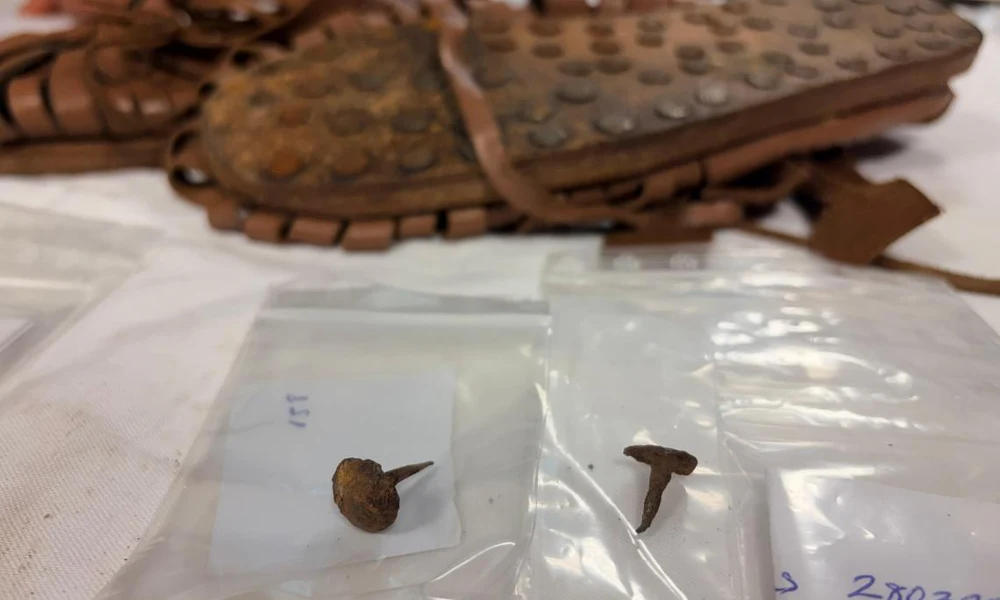
The camp covers 1.7 hectares and lies about 500 metres from the settlement, in the municipality of La Ercina, León. Spring surveys detected the enclosure, and excavations during the summer confirmed its military character, according to the university. Archaeologists recovered weapons remains and hobnails from Roman soldiers' footwear. The position allowed troops to observe both the settlement and its approaches, helping researchers examine how the attack was organised.
Excavation co-director Eduardo González Gómez de Agüero described a four-sided enclosure with a curved defensive entrance known as a clavicula, a feature associated with Roman camps used during the conquest of northern Iberia. A wall made from local stone measured about 1.5 metres wide. Inside it, an earthen platform approximately 12 metres wide provided a patrol space, supported the wall and raised the camp surface above the slope. Traces also suggest internal structures built from perishable materials.
Work at La Peña del Castro has separately confirmed that Roman forces attacked from the settlement's northern slope, the university said. Earlier campaigns had identified an intense fire that destroyed part of the site, including two Iron Age temples. The camp adds a military structure to this evidence of conquest in eastern León, where connections between Roman enclosures and local settlements have received less study than in neighbouring areas. The wider archaeological project began in 2013 and has used aerial photography and LiDAR surveying to investigate the surrounding terrain.
The team is now examining whether other buildings were deliberately destroyed after the conquest. This remains a hypothesis, and researchers must establish the attack's precise chronology and whether destruction occurred in one episode or several phases. A watchtower at the top of the settlement also offers evidence for investigating control after the conquest. Further work will test whether an initial assault and occupation preceded a later phase of destruction.