
Excavations trace Sarajevo's buried Ottoman heritage
Excavations in Sarajevo have uncovered remains of Ottoman religious and civic buildings beneath parks and the historic city centre, according to Bosnian archaeologist Adnan Muftarevic. He says the work helps document a built heritage partly lost through demolition and later urban development.
- An archaeologist reports recovering traces of Ottoman mosques, a madrasa and a library beneath Sarajevo.
- Archival documents, travel accounts and photographs help researchers locate demolished or buried structures.
- The work examines an archaeological period Muftarevic says previously received little attention.
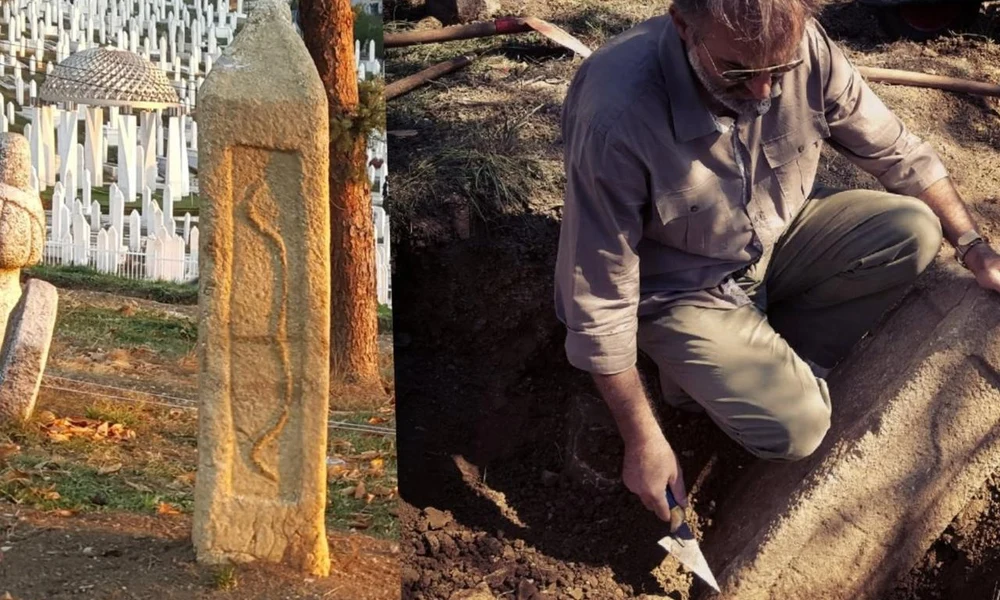
Muftarevic described the investigations in an interview with Türkiye Daily, reported by Türkiye Today on 7 October. He said that he and colleagues, including archaeologist Mirsad Avdic, had investigated Ottoman remains for 23 years and helped uncover more than 20 architectural sites.
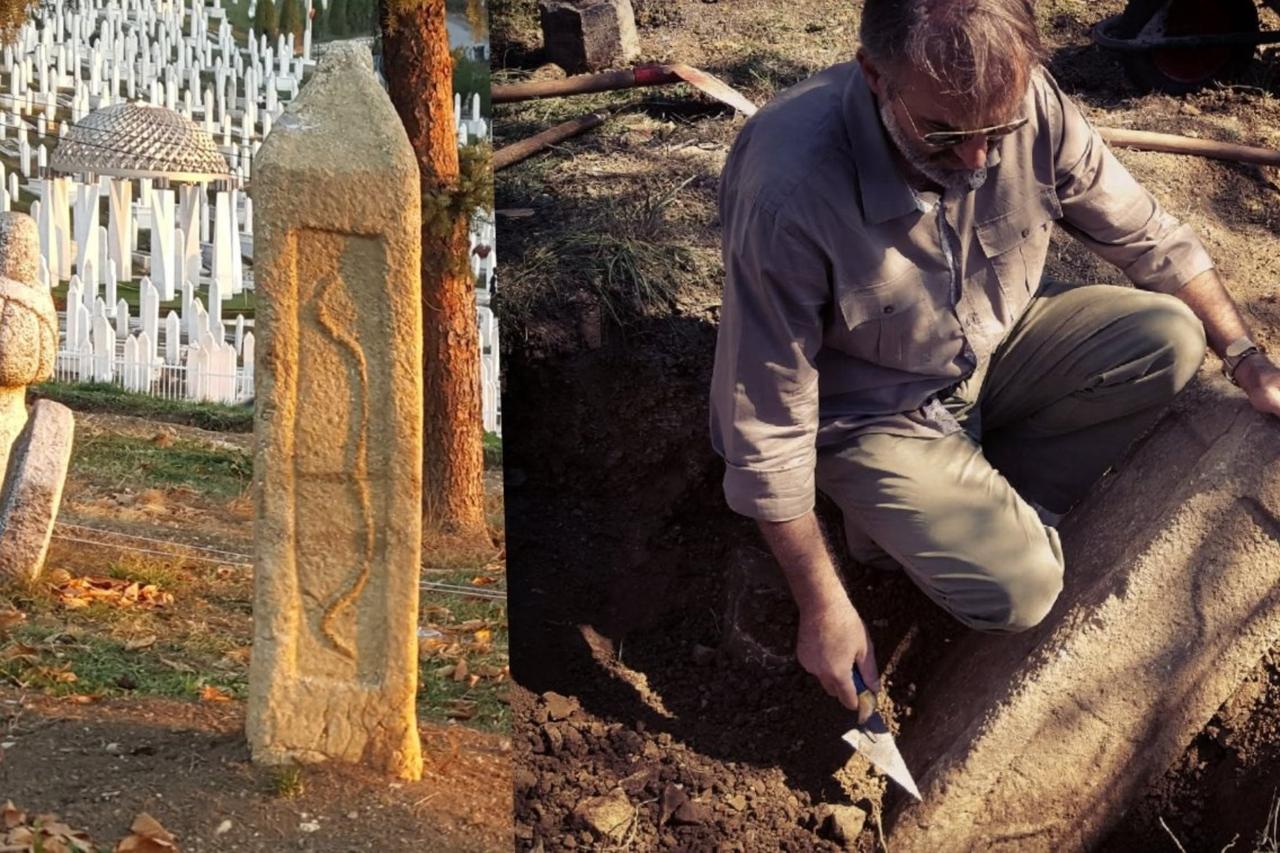
Their searches combine excavation with historical documents, travel accounts, engravings and photographs. He recalled that, when their work began, archaeological research focused on antiquity and the Middle Ages, while Ottoman remains attracted comparatively little attention.
At At Mejdan, a Sarajevo park where a road had been planned, information about a former mosque helped guide the archaeologists' search. Muftarevic said excavations revealed the Bakir Baba Mosque, the Ismail Misri Madrasa, a burial ground and the Kantamirija Library. In the city's historic Bascarsija district, the team also identified remains of the sixteenth-century Firuz Bey Hammam. He reported uncovering 170 graves at Kovaci Cemetery, including one he dated to the fifteenth century.
The discoveries form part of his wider argument that thousands of Ottoman buildings disappeared across the Balkans. He cited losses in Serbia, Albania and Croatia, as well as demolitions in Sarajevo under successive administrations. Muftarevic uses the term “urbicide”, referring to the deliberate destruction of urban environments, to characterise these losses. That interpretation belongs to the archaeologist: the report supplies no regional inventory establishing the total number of monuments destroyed or documenting the circumstances of every loss.
Muftarevic believes further Ottoman structures remain beneath Sarajevo and identified the Kemal Udin Bey and Idris Bey mosques as possible targets for archaeological investigation. He also argued that this field still receives insufficient support. The account gives no excavation dates for the individual discoveries and no technical reports explaining how the buildings and graves were identified or dated. The proposed investigations therefore remain distinct from the remains he says have already been uncovered.