
Maya region soils suggest farming 6,000 years ago
Soil evidence from southern Belize suggests people were growing crops, almost certainly maize, about 6,000 years ago, long before large villages emerged. A study co-led by the University of New Mexico traces how cultivation later shifted from wetland margins to upland fields.
- Soil evidence suggests probable maize cultivation along wetland margins in southern Belize about 6,000 years ago.
- Researchers combined soil analyses with climate records and knowledge shared by local farmers.
- The findings place farming long before large villages and trace a later shift towards upland cultivation.
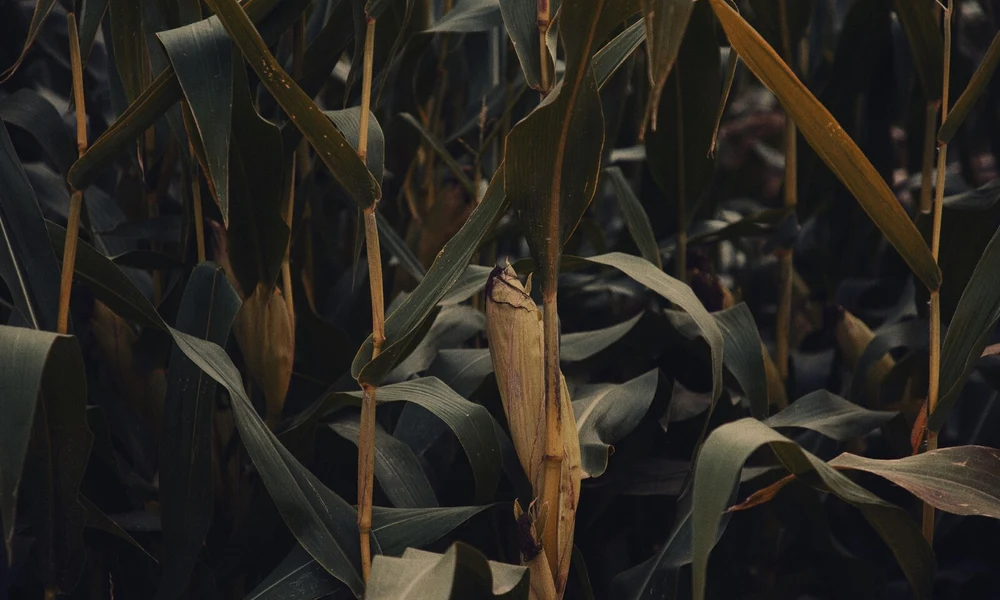
Published in Communications Earth & Environment, the study was co-led by anthropologist Keith Prufer and geographer Megan Walsh of Central Washington University. Researchers sampled wetlands and uplands near the ancient Maya city of Uxbenká, then used chemical and microscopic analyses to investigate past food production. Maize uses a form of photosynthesis known as C4, which makes its presence detectable through carbon isotopes preserved in tropical soils. The team compared its findings with climate records to explore how rainfall changes may have influenced farming decisions.

The earliest cultivation identified in the account took place beside wetlands, where soils retained abundant moisture. Following a dry interval that ended about 4,000 years ago, farmers began growing C4 crops on higher ground and establishing settlements that subsequently expanded. Farming near wetlands appears to have been largely abandoned as local populations peaked after 2,000 years ago. The researchers interpret these changes as strategies to manage agricultural risks as environmental conditions and food requirements changed.
The project also drew on the experience of Jose Mes, a Mopan Maya-speaking farmer from Santa Cruz village and a study co-author. He shared knowledge about crop choices, climate conditions and farming risks. Local farmers practise polyculture, growing maize, beans and squash together and leaving land fallow for several years before cultivating it again. His contribution helped connect the soil evidence with the practical decisions involved in managing fields.
According to the university's account, upland fields continued to be cultivated through the Maya Classic period and are still farmed today. The early soil signal, however, does not establish the crop's identity with complete certainty: Prufer describes it as almost certainly maize. The findings concern this part of southern Belize, and the account does not establish when farming began across the wider Maya region.