
Wartime diary illuminates Foerster's aid to Jewish refugees
A wartime diary found in an eBay listing is adding a family's account to research on Willy Rudolf Foerster, a German industrialist who helped Jewish refugees reach Japan. The illustrated journal belonged to Renate Quastler, whose father Foerster employed in Tokyo.
- Renate Quastler's illustrated diary resurfaced in an eBay listing found by her niece, Julie.
- The diary records wartime life in Japan and a connection with industrialist Willy Rudolf Foerster's family.
- Foerster's refugee assistance remains under investigation, and Yad Vashem says available primary sources do not support formal recognition.
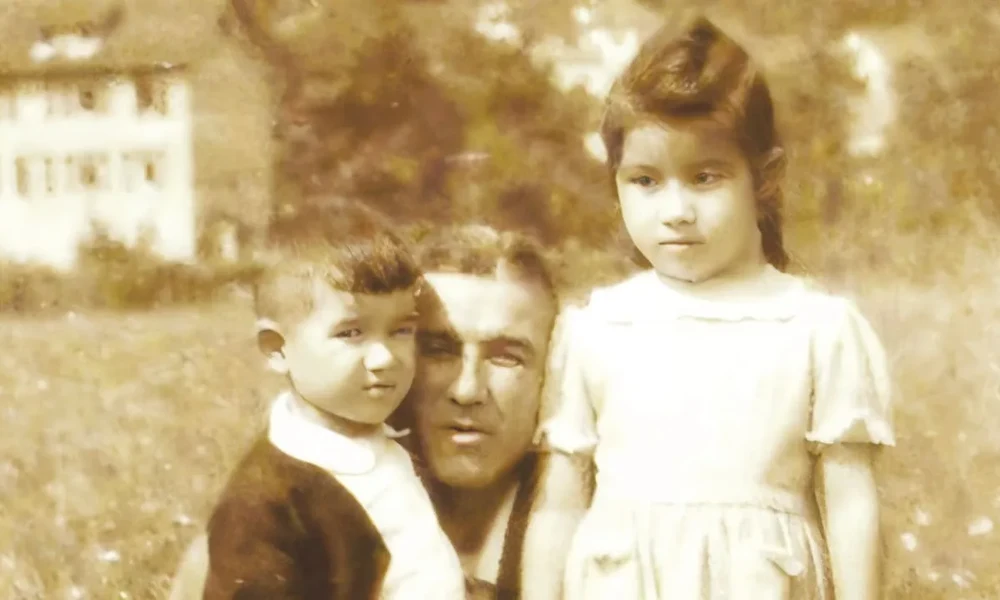
Journalist Liane Grunberg Wakabayashi reported the diary's rediscovery on 18 October. Renate reached Japan with her parents in 1939, aged six, after her father Ernst received a job offer from Foerster. Her German-language diary contains more than 120 pages of drawings, watercolours, photographs and observations. It records the destruction of the family's Tokyo home in April 1945 air raids, evacuation to Karuizawa and life under the American occupation. References to Foerster's wife, Hideko, document contact between the families.
Biographer Clemens Jochem, who published a book on Foerster in 2017, has traced his cooperation with Tokyo's Jewish Refugee Committee. According to the report, Foerster offered qualified refugees jobs, helped secure entry permissions and sometimes paid travel costs. Employment could provide a route to legal residence in Japan; Ernst Quastler became a senior manager. Jochem also reported finding Japanese Foreign Ministry records in August documenting Foerster's efforts to bring employee Hugo Stern's children, Ruth and Robert, from Nazi-controlled Vienna to Japan.
The report describes Foerster's arrest by Japanese authorities in May 1943 on accusations of Soviet espionage, followed by imprisonment and a forced sale of his business. Released in June 1944, he remained under house arrest. In 1947, occupation authorities classified him as a Nazi and sent him and his family to Germany. Jochem's research challenges that classification, citing refugee testimony and an internal US intelligence assessment describing Foerster as actively opposed to Nazism.
The diary adds personal testimony to a case that has not secured recognition from Yad Vashem as Righteous Among the Nations. Department director Joel Zisenwine told the publication that the available primary sources were insufficient to support recognition, while further evidence could be submitted for review. The report does not establish how the diary reached the seller or whether its discovery and the additional Japanese records have prompted a further assessment.