
Greece pledges stronger push for Parthenon sculptures
Greece will intensify its campaign to reunite the Parthenon sculptures in Athens after talks with the British Museum failed to advance, Kyriakos Mitsotakis has said. The Greek prime minister outlined his position at an Athens conference, according to a Guardian report published on 6 October.
- Mitsotakis says negotiations over returning the Parthenon sculptures have not progressed.
- Greece proposes sending other antiquities to Britain as part of a cultural partnership.
- The campaign seeks to reunite sculptures divided between Athens and London for more than two centuries.
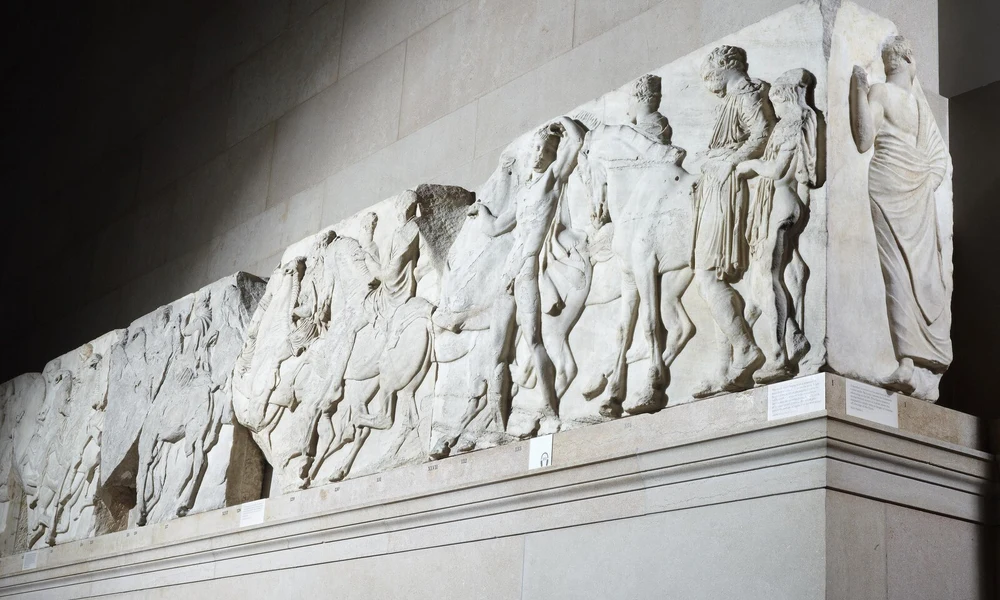
Mitsotakis said Greece would press its case with both the museum and the British government. Asked about negotiations over an arrangement involving the return of the sculptures in exchange for other Greek antiquities, he said they had not progressed. He nevertheless maintained that a cultural partnership could benefit both countries and said he would argue strongly for reunification when meeting his British counterpart.
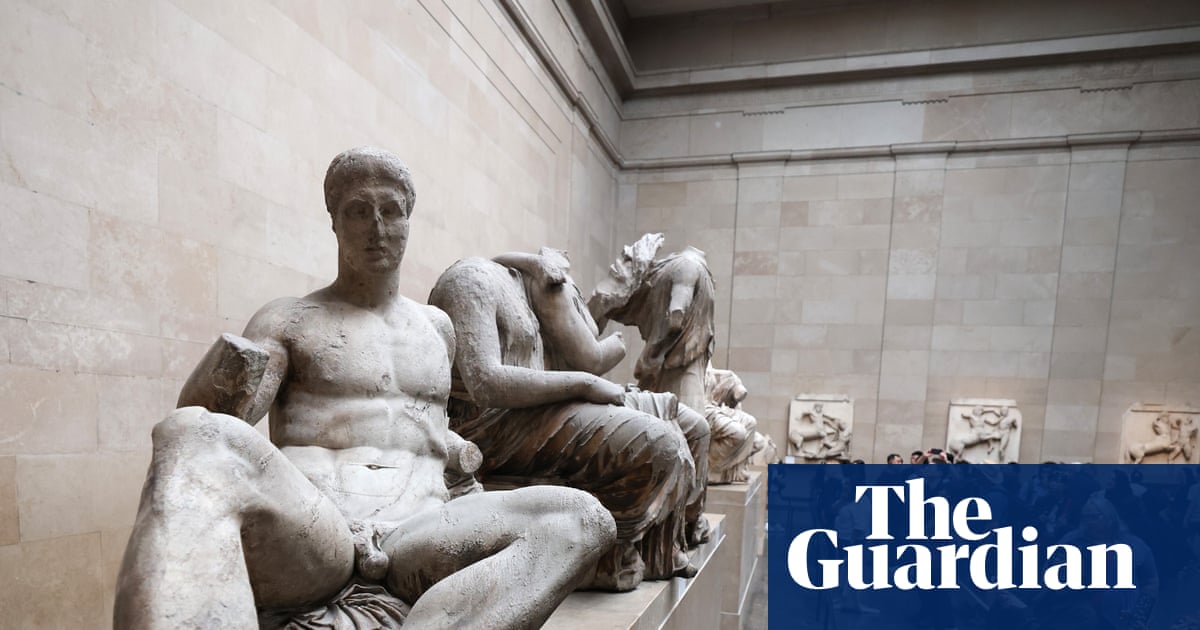
The proposed partnership would allow antiquities from Greece to be displayed in Britain. Mitsotakis suggested that the planned closure and renovation of Athens's National Archaeological Museum could make objects available that had never previously been exhibited outside Greece. His remarks presented this as an opportunity to support an agreement involving the Parthenon sculptures, although the report names no specific objects or agreed terms for such an exchange.
Dating from the fifth century BCE, the sculptures adorned the Parthenon in Athens. They have been divided between Athens and London since their removal more than 200 years ago at the direction of Lord Elgin, Britain's ambassador to the Ottoman empire. The British Museum acquired the sculptures in 1816 following their purchase by the British government. The Greek administration's campaign centres on bringing the separated works together within view of the Acropolis.
Mitsotakis also framed the dispute as a European cultural issue and linked it to discussion of closer relations between Britain and the EU. He said British public opinion supported reunification, although the report supplies no polling figures or survey dates. Despite his call for stronger pressure, the account contains no agreed transfer timetable and no direct response from the British government or the museum to his conference remarks.