
Dodo project identifies potential gene-editing targets
Colossal Biosciences says it has identified potential genetic targets for recreating the dodo's distinctive beak and skull, advancing research towards its proposed revival of the extinct bird. The US company's announcement was reported by Reuters on 14 October.
- Colossal Biosciences reports identifying genetic targets that may help reproduce the dodo's distinctive beak and skull.
- The company says its platform generated about 2,300 candidates, which are undergoing laboratory validation.
- - The project targets a bird driven to extinction on Mauritius in the seventeenth century.
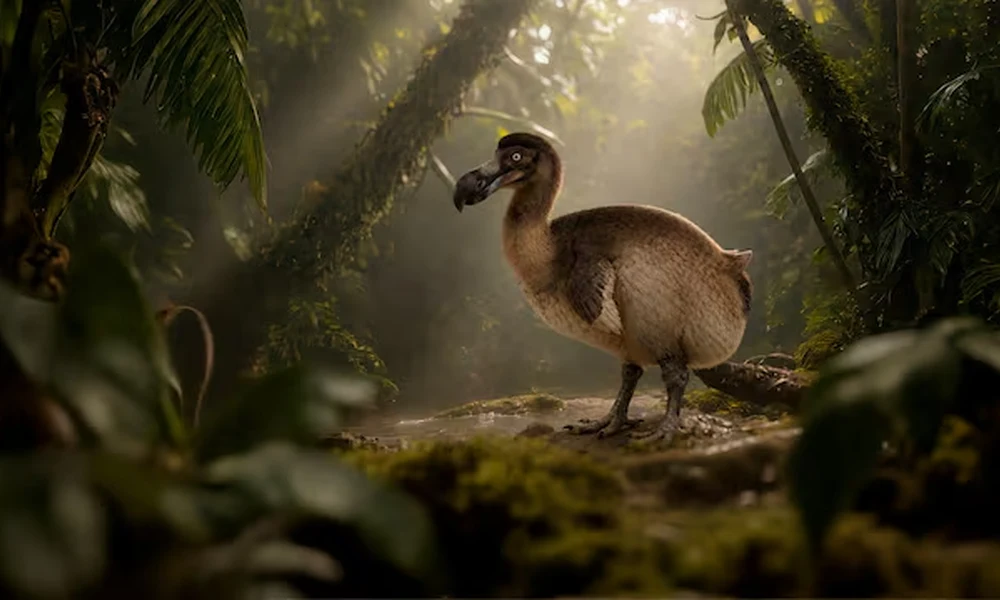
The Dallas-based biotechnology company said its GenoMorph platform uses artificial intelligence to examine how skulls and beaks develop across more than 70 living bird species. According to chief science officer Beth Shapiro, the analysis produced about 2,300 candidate targets associated with beak size and shape. Researchers are testing these in the laboratory to establish whether they influence the intended features. Identifying candidates does not yet demonstrate that editing them will recreate those features in a living bird.

Colossal plans to introduce dodo traits into cells from the Nicobar pigeon, which Reuters identifies as the extinct bird's closest living relative. Unlike the flightless dodo, the pigeon can fly and has iridescent green and copper plumage. The company says it has expanded its Texas breeding colony to 36 birds to support research into their development, reproduction and genetics. It also reports that its reconstructed dodo genome is 95% complete, although ancient DNA survives in fragments.
The dodo lived on Mauritius in the Indian Ocean and disappeared during the seventeenth century after people reached the island. Hunting and introduced animals contributed to its decline; invasive species threatened a bird that nested on the ground and had evolved without encounters with humans. The last recorded sighting cited by Reuters dates to 1662. The dodo subsequently became a familiar symbol of extinction and appeared in Lewis Carroll's Alice's Adventures in Wonderland.
Chief executive Ben Lamm told Reuters that major challenges remain: confirming which genetic changes matter, making multiple edits in a bird and ensuring they pass to subsequent generations. Colossal gave no timetable for hatching a bird. Lamm said the company was working with Mauritian scientists, conservation groups and the government on habitat restoration and the removal of invasive predators. No release locations would be selected before ecological assessments and community consultation were completed, he said.