
Austrian hopeful proposes returning Moctezuma's headdress
Austrian economist Gunther Fehlinger-Jahn has proposed returning the feather headdress associated with Moctezuma to Mexico if elected president in 2028. His independent candidacy remains unconfirmed, according to The Art Newspaper's report of 9 October.
- Economist Gunther Fehlinger-Jahn proposes returning the headdress to Mexico, but his independent presidential candidacy remains unconfirmed.
- He suggests transferring ownership while the object stays in Vienna if transport remains unsafe.
- - The headdress's association with Moctezuma is uncertain, and its route to Europe remains unresolved.
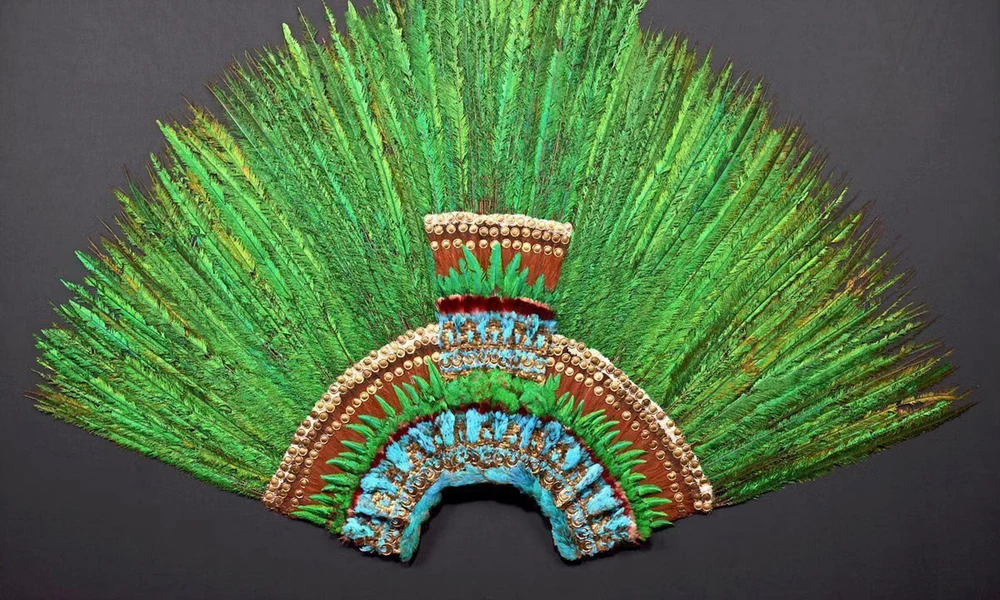
Fehlinger-Jahn called for a negotiated bilateral agreement over the sixteenth-century object, held at Vienna's Weltmuseum. If conservation concerns prevent its movement, he suggested transferring ownership while experts develop shared arrangements for its care until transport becomes possible. Cultural heritage author Pierre Losson told the publication that an Austrian president could not decide on restitution alone. The proposal therefore sets out a political position, without establishing an agreed return process.
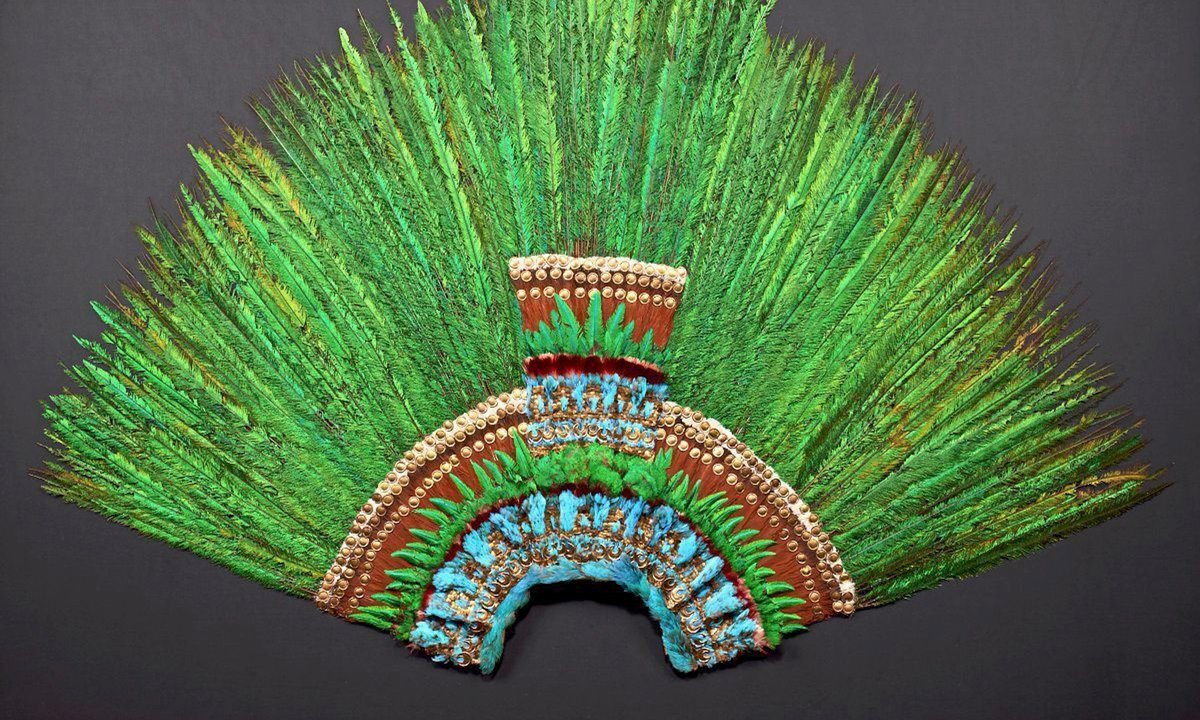
The headdress is the only known surviving example of its kind, according to the report. Measuring approximately 1.3 metres high and 1.75 metres wide, the extensively modified featherwork originally combined green, red, brown and blue feathers with gold ornaments. Its association with the Aztec ruler came later, historian Federico Navarrete told the publication. How it reached Europe remains uncertain, and the report says experts largely agree that Moctezuma never wore it.
Its earliest documented European appearance is in a 1596 inventory of Ambras Castle in Innsbruck. Identified as Indigenous Mexican after being rediscovered in poor condition during the nineteenth century, it was restored and displayed at Vienna's Natural History Museum in 1888 before entering what is now the Weltmuseum. Requests for its return date to Mexico's Habsburg emperor Maximilian in the 1860s, with further campaigns from the 1980s.
You Might Also Like

Conservation remains central to the dispute. A joint Mexican and Austrian study conducted between 2010 and 2012 judged the headdress too fragile to transport because vibration could damage it, although the report notes that some experts dispute that assessment. Austria also rejected a Mexican request for a loan for an exhibition marking the 500th anniversary of Tenochtitlán's fall in 2021. Fehlinger-Jahn's ownership proposal would leave the question of physical transfer dependent on resolving those conservation concerns.