
Brazilian court orders protection for Ford’s Amazon settlement
A Brazilian federal court has ordered national and local authorities to draw up a conservation plan for Fordlândia, Henry Ford’s failed industrial settlement in the Amazon rainforest. The ruling requires the federal government, the National Institute of Historic and Artistic Heritage (Iphan), Pará state and Aveiro municipality to protect the former rubber plantation and company town, despite its lack of formal heritage designation.
- A Brazilian court has ordered federal and local authorities to prepare a conservation plan for Fordlândia’s deteriorating historic buildings.
- Henry Ford’s Amazon venture sought an independent rubber supply but struggled with plant diseases, unsuitable growing conditions and labour disputes.
- The ruling recognises a duty to preserve the settlement regardless of formal heritage listing, with local residents participating in conservation planning.
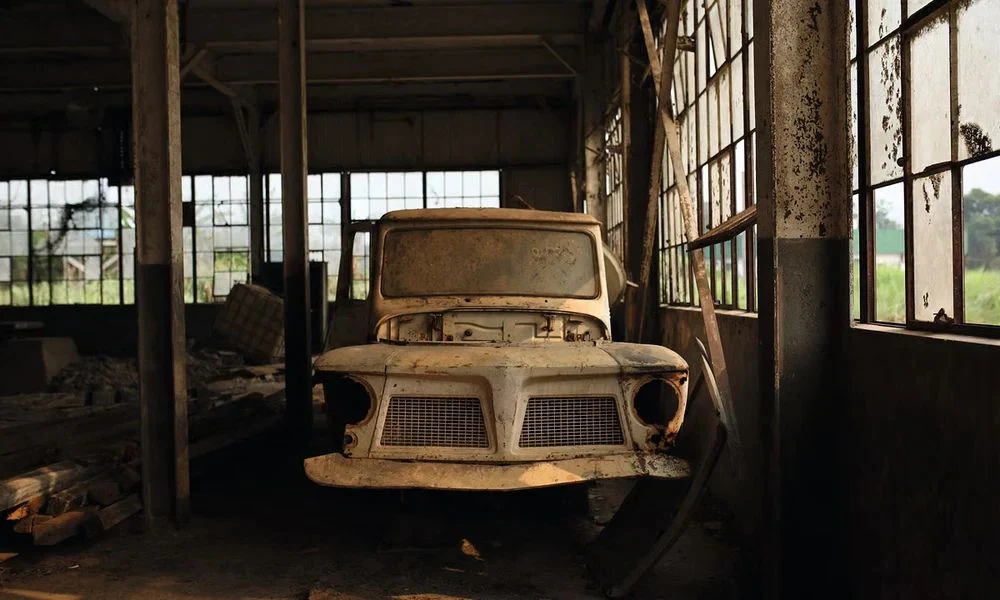
According to The Art Newspaper, the authorities face a deadline at the end of November 2026 to prepare the plan. The court’s requirements include identifying conservation priorities, allocating responsibilities and funding, and proposing emergency measures for buildings at immediate risk of collapse. Restoration work must begin within 30 days of the plan receiving judicial approval.
The Ford Motor Company acquired land beside the Tapajós River in 1927 to secure its own supply of natural rubber for vehicle production. By establishing plantations in Brazil, Ford hoped to reduce his dependence on rubber grown in British-controlled territories in Southeast Asia.
His ambitions extended beyond agriculture. Ford envisioned a self-sufficient settlement for around 10,000 people, modelled on an American Midwestern town. Housing, a hospital, a school and recreational facilities were intended to transplant his ideas about industry and community life into the rainforest. Ford himself never visited the settlement.
The project also attempted to impose American working practices and social expectations on Brazilian employees. Restrictions on personal behaviour, unfamiliar food and rigid routines generated resentment. Tensions erupted into a workers’ revolt in 1930, exposing the gulf between the company’s paternalistic vision and local life.
Agricultural problems proved equally damaging. Closely planted rubber trees were vulnerable to pests and disease, while heavy rainfall and unsuitable growing conditions undermined production. A second plantation at Belterra failed to turn the wider enterprise into a commercial success. In 1945, the company sold its Brazilian holdings to the national government, abandoning an undertaking that had consumed years of investment.
Fordlândia’s decline did not bring its history to an end. Families continued to live in the settlement, and others subsequently moved into former company buildings. Today, it is home to an estimated 3,000 residents, making its preservation a question of housing and community life as well as industrial heritage.
Efforts to secure protection have continued for decades. Federal prosecutors brought their case in 2015, but Iphan’s advisory council rejected federal heritage listing in May 2024. The court nevertheless concluded that the settlement’s historical, cultural and architectural importance established a constitutional duty to preserve it, regardless of whether it had been formally listed.
Among the structures requiring assessment are the ruined hospital, industrial sheds, port warehouse, former managers’ houses, workers’ housing, Henry Ford school and Cine Patinha cinema, whose roof recently collapsed. A convent built after the Ford period is also included. These buildings face continued deterioration in the tropical climate.
The court imposed daily penalties for missed deadlines: R$10,000 for the federal government and Iphan, and R$5,000 for Pará state and Aveiro municipality. It also required local residents to participate in developing preservation strategies, recognising that Fordlândia remains an inhabited community.
You Might Also Like

The settlement’s history belongs to a wider struggle over the world’s rubber supply. Although the rubber tree is native to the Amazon basin, plantations in Asia transformed the international market and challenged Brazil’s earlier dominance. Ford’s attempt to reverse that dependency encountered environmental conditions and social realities that his industrial methods could not overcome.
Fordlândia’s surviving buildings preserve more than the remains of an unsuccessful corporate experiment. They also document the lives of Brazilian workers, their resistance to company control and the communities that endured after Ford departed. Their conservation would protect a chapter of Amazonian history shaped by both industrial ambition and its human consequences.