
Rasputin film lawsuit helped shape Hollywood’s fiction disclaimer
Hollywood’s familiar assurance that any resemblance to real people is coincidental has an unlikely connection with Rasputin’s murder. A successful libel action brought by Princess Irina Yusupova, wife of one of his killers, helped encourage studios to distinguish their fictional stories from the lives of identifiable individuals.
- Princess Irina Yusupova sued MGM over a fictional character audiences could identify with her.
- An English jury awarded her £25,000 in 1934, and the Court of Appeal upheld the decision.
- The dispute helped popularise disclaimers distancing fictional characters from real people.
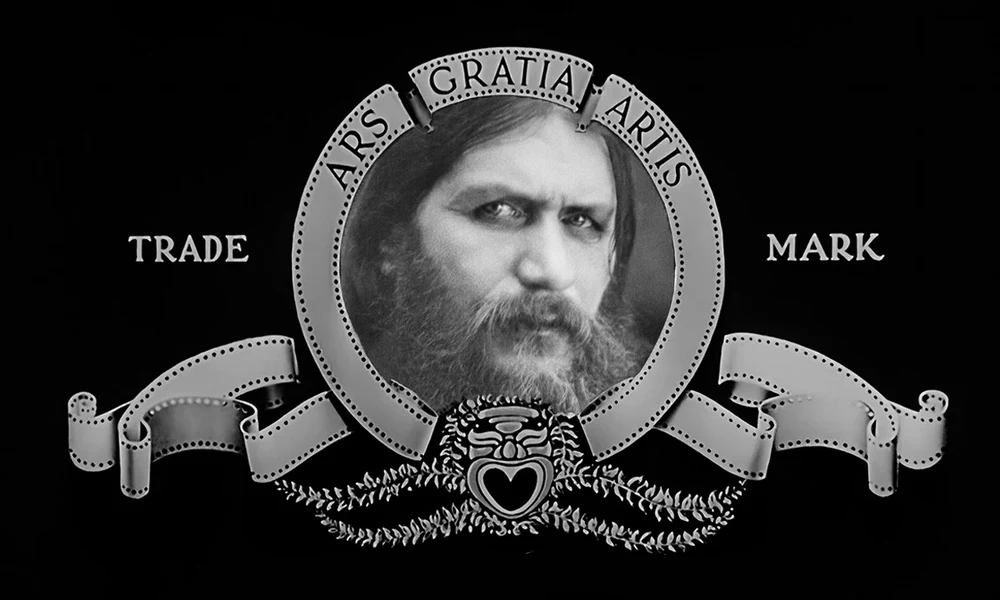
The dispute followed MGM’s Rasputin and the Empress, which premiered in New York in December 1932. As the US National Archives recounts, the film used fictional names for characters recognisably associated with members of the Russian aristocracy. Prince Paul Chegodieff drew on Felix Yusupov, who had participated in Rasputin’s assassination in 1916. Princess Natasha was identifiable with his wife, Irina, a niece of Tsar Nicholas II. Changing their names did not prevent audiences from making those connections.
The central complaint concerned Natasha’s sexual involvement with Rasputin, including an implied assault, rather than the depiction of Felix as a murderer. Irina maintained that the portrayal falsely associated her with events that had never occurred. She brought the English libel action in her own name. In March 1934, a jury awarded her £25,000, and an injunction restricted distribution of the film in its offending form. MGM subsequently appealed, arguing, among other points, that Natasha was fictional.
The Court of Appeal upheld the award. Contemporary reporting highlighted the importance of the film’s introductory statement, which presented its story as involving people who had lived and, in some cases, were still alive. That framing helped viewers connect Natasha with Irina, undermining the studio’s attempt to separate its invented character from a real woman. The case demonstrated that fictional names could offer little protection when the surrounding story made someone readily identifiable.
You Might Also Like



The American Film Institute records a further New York settlement in August 1934, reportedly worth $250,000, although it notes uncertainty over its relationship with the English award. The dispute’s broader legacy was the spread of notices declaring characters and events fictitious, a development described by the National Archives. Such wording reversed the approach that had caused MGM difficulties: instead of inviting viewers to recognise living participants, studios explicitly distanced their stories from them. The princess’s victory thus became part of film history alongside the notorious assassination that had first connected her family with Rasputin.