
DNA claim leaves Jack the Ripper mystery unresolved
DNA recovered from a silk shawl allegedly connected with a Jack the Ripper victim has been used to implicate Polish-born barber Aaron Kosminski. However, uncertainties about the textile’s history and the genetic analysis remain unresolved, and the journal that published the research has formally flagged concerns about its findings.
- A disputed shawl analysis linked Aaron Kosminski’s maternal family line to biological traces attributed to the killer.
- The study appeared online in 2019; its journal issued an expression of concern in 2024.
- Uncertain provenance, contamination risks and unavailable raw data prevent the findings from establishing the murderer’s identity.
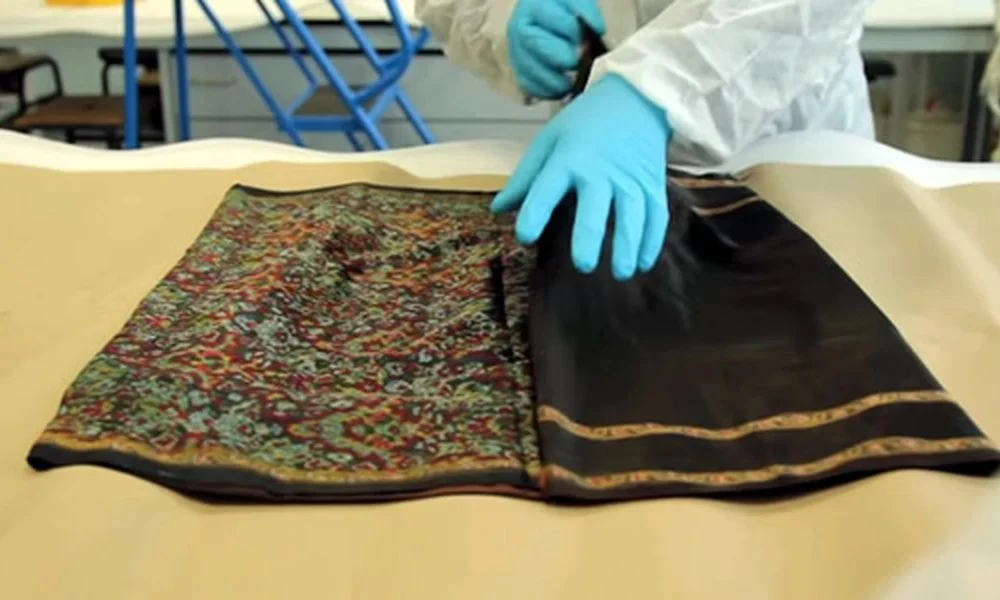
Jari Louhelainen and David Miller published their investigation online in the Journal of Forensic Sciences in March 2019. They examined stains on a shawl said to have been found beside Catherine Eddowes, who was murdered in London in 1888. Comparing recovered mitochondrial DNA with reference samples from maternal relatives of Eddowes and Kosminski, the authors reported matches supporting their proposed connection. Their conclusions concern a long-standing suspect, rather than a newly identified individual.
The evidence nevertheless presents substantial difficulties. Mitochondrial DNA is inherited through the maternal line and can be shared by many people, so a matching profile cannot uniquely identify Kosminski. Specialists also criticised the publication of results as graphs without the underlying genetic sequences needed for independent scrutiny. Beyond the laboratory analysis, the shawl’s connection with Eddowes has not been securely documented. Its uncertain handling history creates further opportunities for contamination, complicating any attempt to connect biological traces with the murder itself.
Those concerns subsequently prompted a formal investigation by the publisher. On 12 August 2024, the journal issued an expression of concern after attempts to obtain the original mitochondrial DNA data proved unsuccessful. The authors said the data were no longer available because of instrument data failure and other complications. Without those records, the publisher and editor could not resolve the complaints about the analysis and its conclusions. The notice records that the authors agreed to its publication.
You Might Also Like

Kosminski’s position among the historical suspects does not overcome these evidential gaps. Establishing that a genetic profile might be compatible with his maternal family would still leave separate questions: whether the shawl was at the crime scene, whose biological material it carried and when that material arrived. A correction published in April 2025 supplied a missing funding statement, rather than resolving the scientific concerns. The research therefore remains a disputed attempt to investigate the Whitechapel murders, not a demonstrated identification of Jack the Ripper.