Vatican museum centenary renews Indigenous restitution debate
The centenary of the Vatican's ethnological museum has prompted renewed scrutiny of Indigenous cultural belongings acquired through Catholic missionaries. Art historian Gloria Bell argues that descriptions of the collection as donated obscure questions about consent and acquisition, according to a Guardian report.
- The Vatican's Anima Mundi collection faces questions about how missionaries acquired Indigenous cultural belongings.
- Art historian Gloria Bell disputes descriptions of the collection as wholly gifted and calls for further restitution.
- Founded in 1926, the museum grew from a missionary exhibition held in Rome the previous year.
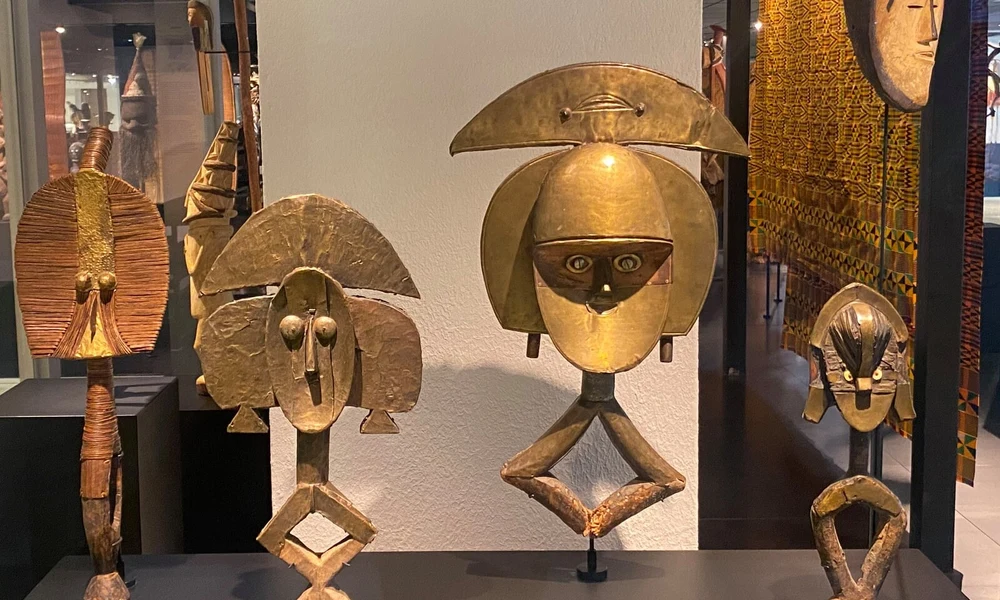
Now known as Anima Mundi, the collection holds around 80,000 objects from Australia, the Americas, Africa and Asia. Its origins lie in a 1925 exhibition commissioned by Pope Pius XI, who asked missionaries to send cultural and sacred belongings to Rome. Many objects remained after the exhibition, forming the core of a museum established at the Lateran Palace in November 1926. It moved to the Vatican Museums in 1973 and adopted its present name in 2019.
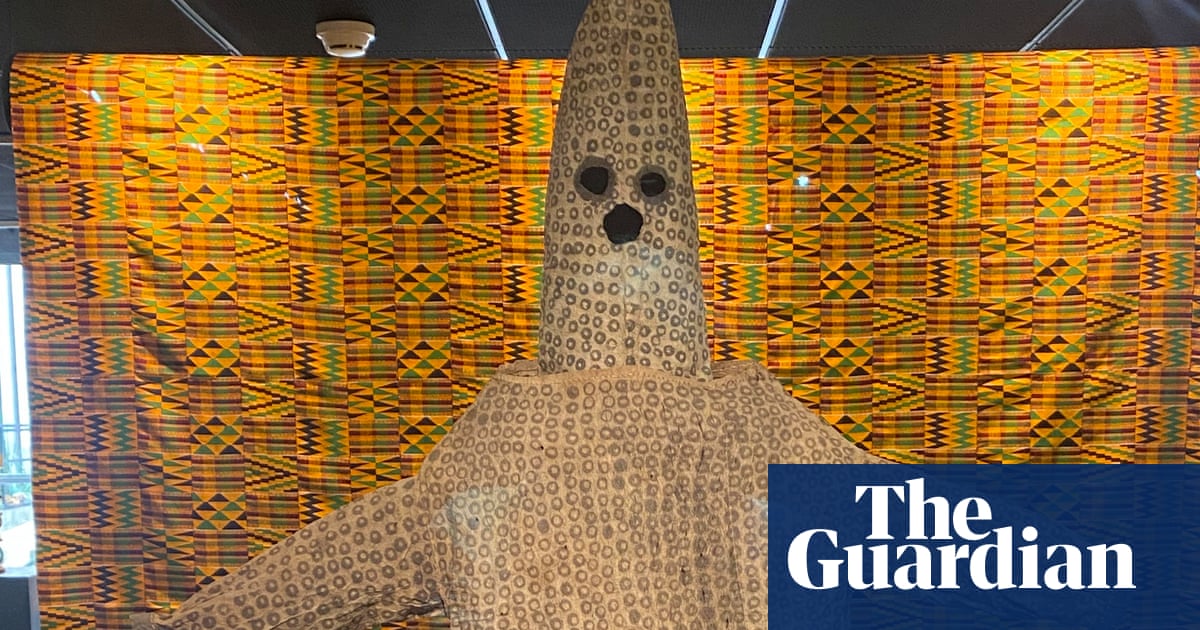
Bell, a McGill University art historian of Métis descent, told the Guardian that she had found evidence of missionaries looting graves in Canada to obtain exhibits. She argues that missionary power makes it necessary to question whether communities willingly surrendered significant belongings. Her criticism also concerns museum interpretation: she says labels and the catalogue do not adequately explain how missionaries operated or the harm associated with their activities. The Vatican declined an interview for the article.
The objects include Emberá carvings representing protective and ancestral spirits, grave posts from Madagascar and sculptures associated with ancestral remains or deceased children. Such belongings can retain religious and familial significance beyond their display as museum objects. Bell argues that removal severed relationships between communities and ancestors, and calls for greater attention to provenance, the history of how individual objects changed hands.
You Might Also Like
The report identifies earlier returns, including three Peruvian mummies in 2022 and an Inuvialuit kayak with 61 other items returned to Canada in 2025. Bell regards these as limited steps and urges Pope Leo XIV to pursue further restitution. The article does not reproduce the archival evidence behind her grave-looting allegation and names no additional return agreement or timetable.