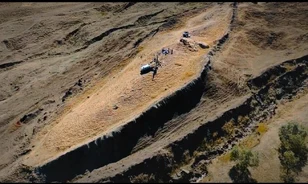
Hadrian’s Wall secures £5.7m for visitor improvements
Hadrian’s Wall is to receive £5.7 million in government funding for visitor improvements, including digital interpretation, clearer signage and a new cycle route. Two linked projects aim to make the Roman frontier’s history easier to explore while encouraging visitors to spend longer in neighbouring communities.
- Two linked projects will improve visitor information, signage and connections across Northumberland and Cumbria.
- Plans include 42 information hubs, 68 interpretation points and a new cycle route.
- The wider programme targets an additional 780,000 annual visitors by its tenth year.
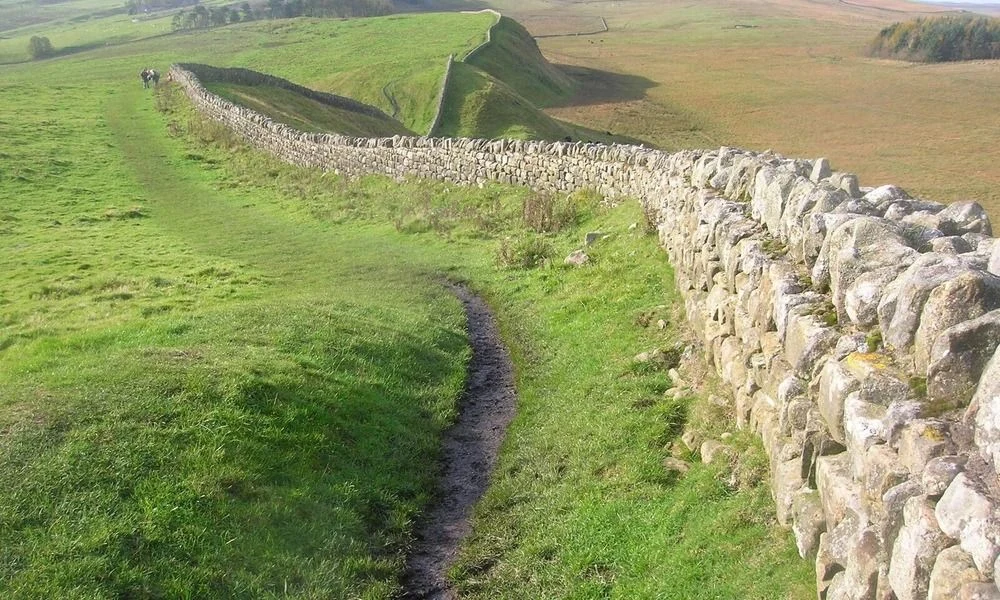
The Borderlands Partnership Board has approved £5.714 million for schemes led by Northumberland County Council and Cumberland Council, according to an announcement published by Visit Northumberland. Together, the projects cover an area extending from Heddon-on-the-Wall to Ravenglass on the Cumbrian coast. They form part of the wider Hadrian’s Wall Investment Programme, which seeks to connect archaeological attractions, walking routes and local communities through more consistent visitor information.
In Northumberland, the Hadrian’s Wall Visitor Exploration project will introduce physical and digital information hubs at 42 locations along a 33-mile stretch. A new 1.94-kilometre cycle route beside the Military Road will improve connections with the Reivers Trails network, Kielder Water and Forest Park, the Pennine Cycleway and Haltwhistle. Further west, Discover Hadrian’s Wall West will add 68 interpretation points across ten trail locations, supported by an app offering interactive mapping and virtual and augmented reality features.
The Northumberland scheme is already under way and is scheduled to run until December 2027. Work on the western project is expected to begin in late 2026 and finish in January 2028. The wider programme aims to attract another 780,000 visitors annually by its tenth year, alongside a projected £86.1 million in visitor spending. These are forecasts rather than guaranteed results. Partnership chair Lady Jane Gibson emphasised that parts of the frontier remain difficult to recognise in the landscape, making interpretation important to understanding their significance.
You Might Also Like
Construction of Hadrian’s Wall began in AD 122 under Emperor Hadrian. Originally stretching approximately 73 miles, or 117 kilometres, from Wallsend to Bowness-on-Solway, it formed part of a frontier system incorporating forts, milecastles, watchtowers, roads and earthworks. The barrier helped Roman forces defend the frontier and control movement across it. Its surviving remains reveal a much larger military landscape, rather than a continuously preserved stone wall. The visitor improvements are intended to help people understand that wider landscape and the communities connected with it.