
Houdini book disputes Halloween death date and cause
A book by retired urologist Larrian Gillespie challenges the official date and cause of Harry Houdini's death. She argues that the escapologist died on 30 October 1926 from a bowel obstruction, a day before the Halloween date associated with his death.
- Larrian Gillespie argues that Houdini died on 30 October 1926, a day before his official death date.
- Her book proposes a bowel obstruction as the cause, challenging the familiar account involving appendicitis and a punch.
- The supplied report provides no independent medical assessment or full records confirming her reconstruction.
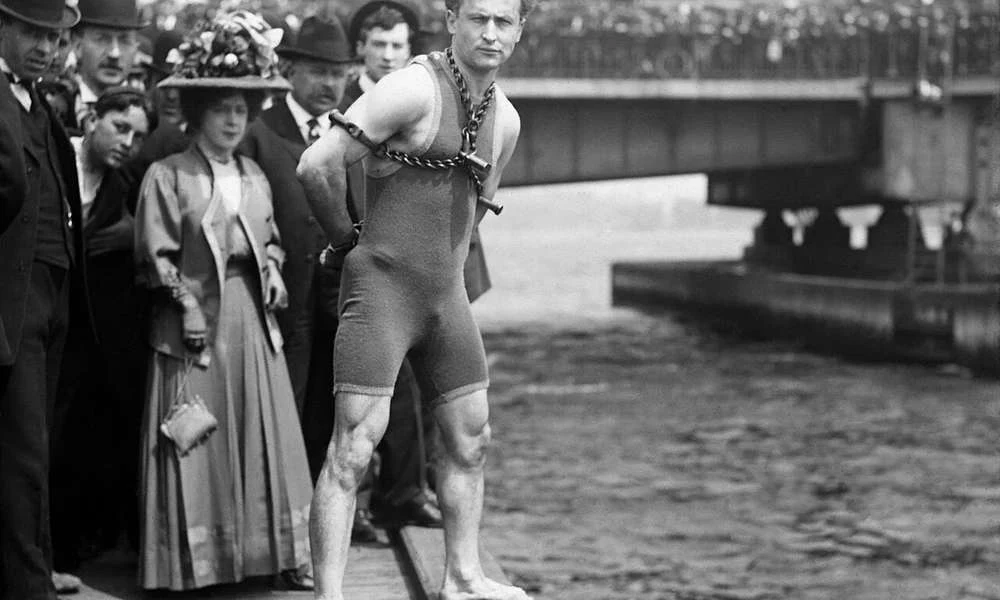
Open Culture reported the argument on 26 October, drawing on Robin Pogrebin's reporting for The New York Times. The familiar account links Houdini's death from peritonitis to a student's unexpected punch to his abdomen. In that version, the blow ruptured an already inflamed appendix. Open Culture acknowledges uncertainty about this medical explanation, while describing how the story became closely associated with the performer famed for his escapes.
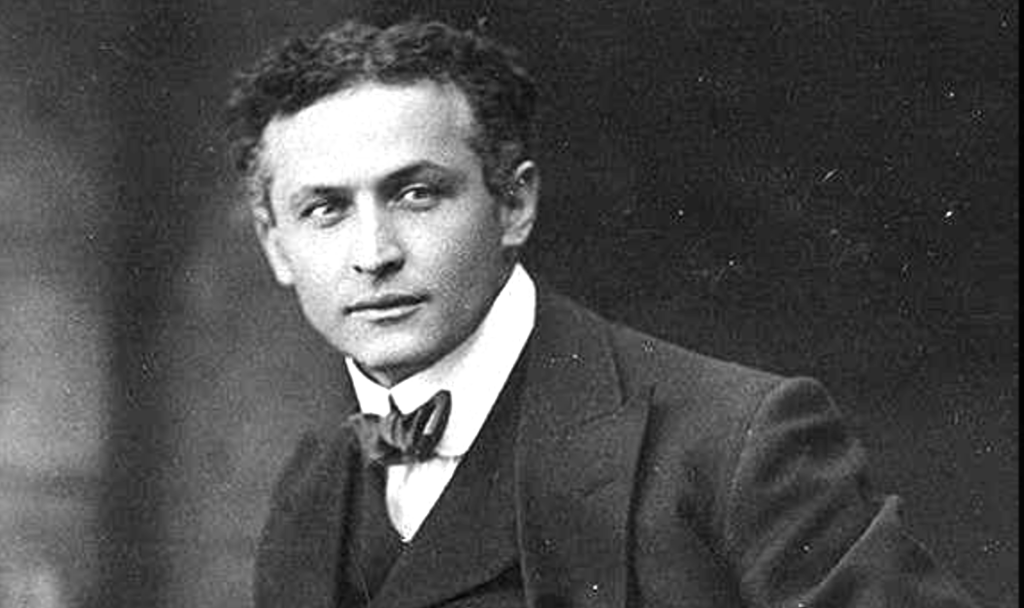
In Houdini: The Man Who Died Twice, Gillespie offers a different reconstruction based on apparent irregularities she identified in death certificates. She proposes that a fibrous mass from a meal of chop suey eaten on 28 October caused a bowel obstruction. In her account, emergency surgery followed the next day, his condition deteriorated with septic shock, and a further operation took place on 30 October. She concludes that he died that afternoon at 1.26pm. These dates and the proposed diagnosis are elements of her reconstruction.
Gillespie also alleges that people close to Houdini altered the recorded death date to 31 October, linking his memory to Halloween. She argues that the absence of a proper autopsy helped obscure possible medical malpractice and allowed his widow to receive an increased insurance payout because the death was treated as accidental. The supplied account does not reproduce the documents needed to assess those allegations or establish deliberate concealment by the individuals concerned.
You Might Also Like

The claims distinguish several questions requiring separate evidence: what caused Houdini's final illness, whether the punch contributed, when he died and how the death was recorded. The Open Culture article summarises Gillespie's position but includes no independent medical assessment, full surgical records or detailed response from other researchers. It also reports no official amendment to the recorded death date.