
Applejack: the apple spirit that intrigued George Washington
George Washington wanted its recipe, according to Laird family tradition, and generations of Americans drank it long before Prohibition interrupted production. Applejack’s history connects colonial orchards, inventive ways of strengthening cider and a family business whose earliest surviving sales records date to 1780.
- The Laird family traces its apple brandy production in New Jersey to 1698.
- Family tradition connects George Washington with a request for the recipe.
- Laird’s survived Prohibition by selling apple products before resuming distillation under a medicinal licence.
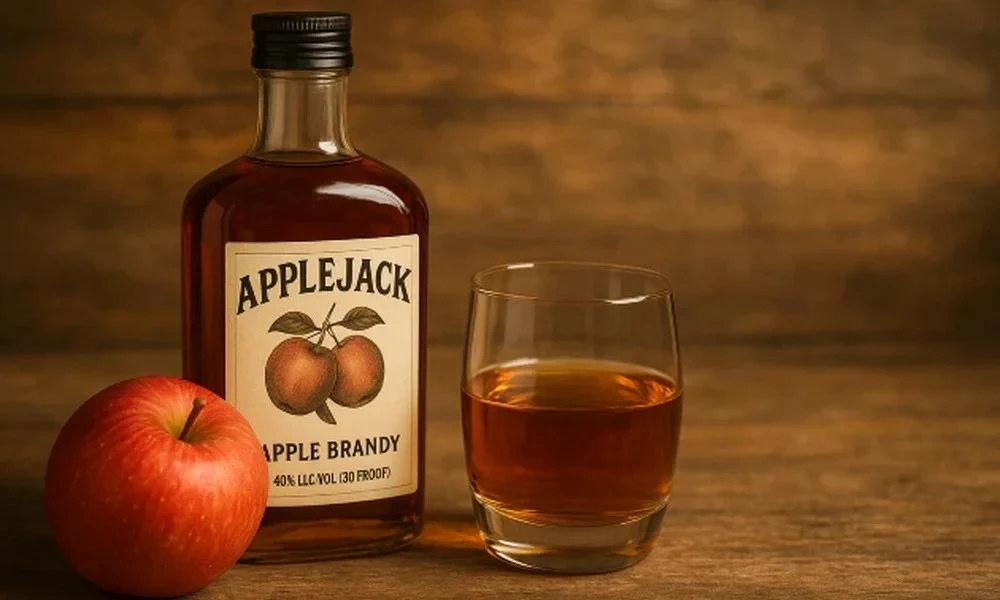
According to the company’s history, William Laird began producing apple spirits in New Jersey in 1698, drawing on distilling skills brought from Scotland. Apples provided a locally available raw material for a business that successive generations developed. The year 1780 marks its first surviving recorded commercial transaction, rather than a securely documented federal distilling licence. The family also recounts that Washington requested its recipe, although this story should be distinguished from independently documented evidence of his own spirit production. Mount Vernon’s ledgers record small quantities of apple brandy in 1798 and 1799.
The name applejack recalls an early method of strengthening fermented cider known as “jacking”. During cold weather, some of the cider’s water froze, allowing ice to be removed and leaving a liquid with a higher alcohol concentration. This required no still, making it accessible to households with cider and sufficiently cold winters. However, it should not be confused with the Laird family’s distilled apple brandy: freezing and distillation are different processes, even though both became associated with applejack’s history.
Prohibition brought another transformation. When the United States banned the commercial production and sale of alcoholic drinks, the family business turned to sweet cider and apple sauce. According to its historical account, Laird’s obtained federal permission to distil apple brandy for medicinal purposes in September 1933. This allowed production to resume before the Twenty-first Amendment ended national Prohibition that December, leaving the company prepared for the return of legal alcohol sales.
You Might Also Like

The contents of an applejack bottle have also changed over time. In 1972, Laird’s introduced a blended version combining apple brandy with neutral grain spirits, creating a lighter alternative to its traditional spirit. The distinction matters: blended applejack and straight apple brandy share a history, but differ in composition. Behind their familiar names lies a story of adaptation, from colonial fruit harvests to the restrictions of Prohibition and changing twentieth-century drinking preferences.