
Seventeenth-century petition claimed coffee made men impotent
In 1674, an anonymous English pamphlet accused coffee of ruining men’s sexual performance and keeping husbands away from home. The Women’s Petition Against Coffee turned a fashionable drink into the subject of bawdy satire, against a background of growing political suspicion towards coffeehouses.
- A 1674 satirical pamphlet blamed coffee for husbands’ impotence and prolonged absences from home.
- Its anonymous authors cannot confidently be identified as women, and historians have suggested political motives.
- Charles II ordered coffeehouses suppressed in December 1675, then retreated before the planned closure took effect.
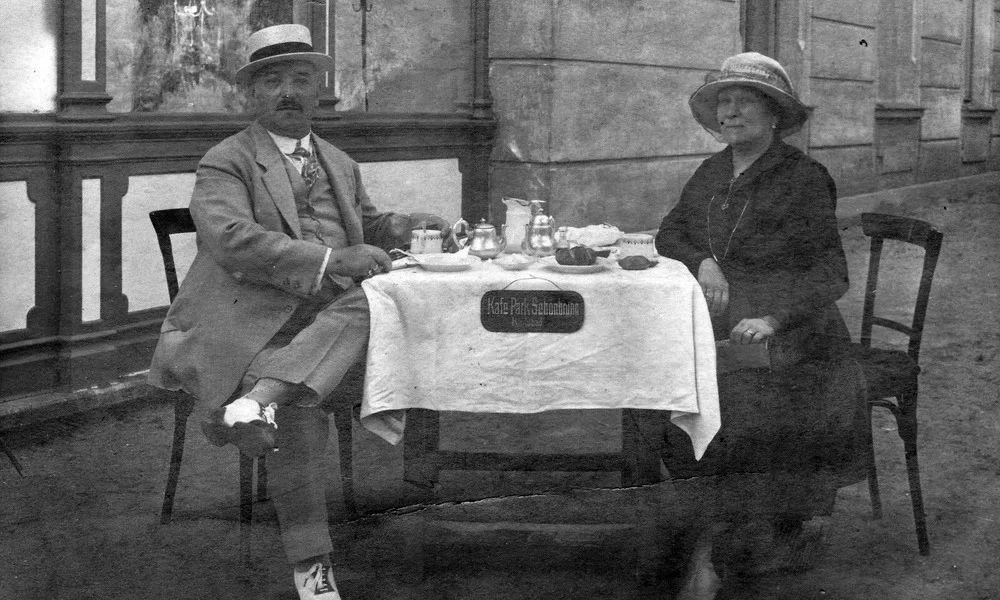
England’s first coffeehouses opened in the mid-seventeenth century, introducing a gathering place distinct from the tavern or inn. Customers exchanged news, discussed business and debated public affairs over their drinks. These conversations helped make coffeehouses attractive to writers and politically interested patrons, but also drew criticism. In a country where the monarchy had been overthrown and subsequently restored, informal discussion of government could carry particular significance.
The Women’s Petition presented itself as the complaint of neglected wives. Its authors claimed that coffee weakened men, made them excessively talkative and left them incapable of satisfying their partners. They proposed restricting the drink to men aged sixty or older. These were satirical allegations, not reliable medical observations or proof of an organised women’s campaign. As historian Steve Pincus has argued, the authors’ identities and the extent to which they represented women’s opinions remain uncertain; discrediting politically troublesome meeting places may have been another purpose.
A reply published the same year, The Mens Answer to the Womens Petition Against Coffee, defended both the drink and its consumers with equally extravagant claims. It rejected accusations of diminished sexual ability and described the coffeehouse as the “Citizens Academy”. Beneath the sexual jokes lay a recognisable account of a place where customers encountered news, ideas and competing opinions. Neither pamphlet offers a straightforward record of relations between women and men.
You Might Also Like


Royal concern became explicit in December 1675, when Charles II issued a proclamation ordering coffeehouses suppressed from 10 January 1676. It accused the establishments of encouraging idleness and circulating malicious reports against his government. Opposition prompted a retreat: an additional proclamation dated 8 January allowed existing retailers to continue until June under conditions intended to restrain hostile political discussion. The immediate closure was avoided, but the Crown’s attempt to regulate what customers heard and said remained evident.