
Dachau excavations reveal SS facilities beside the crematorium
Archaeologists have uncovered foundations of at least 35 SS dog kennels beside the former crematorium at Dachau Concentration Camp Memorial Site in Germany. Investigations ahead of planned redevelopment also revealed ash deposits containing bone fragments believed to be human remains from the crematorium ovens.
- Archaeologists identified foundations of at least 35 kennels used by SS dog handlers near Dachau’s former crematorium.
- Ash deposits containing slag and bone fragments are believed to include human remains, although this has not been confirmed.
- The memorial is consulting remembrance communities about the treatment of the finds and future interpretation of the area.
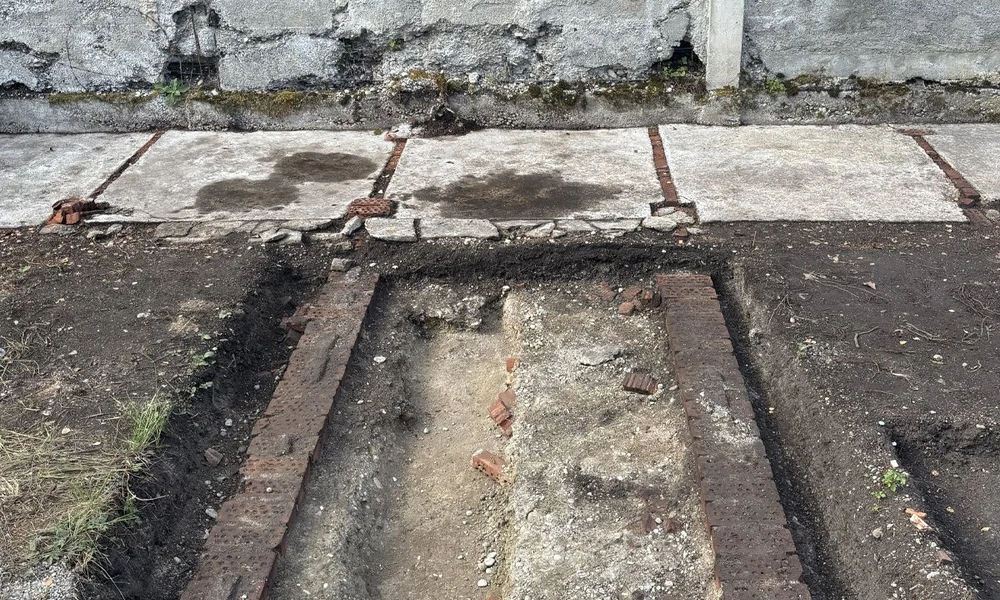
The well-preserved foundations belonged to a compound used by SS dog handlers. According to the memorial, the SS established a dedicated dog unit near the crematoria from 1942. The animals were used to guard and intimidate prisoners, and their deployment is documented in survivors’ accounts and images. The excavated structures provide additional evidence of the facilities’ scale and layout, helping researchers reconstruct a part of the camp that was previously less fully understood.
Historical research accompanying the excavations established that the same area housed the crematorium administration. This office organised and documented the systematic cremation and disposal of bodies. Memorial director Gabriele Hammermann emphasised the close functional relationship between the crematorium and dog-handler areas as places of terror. Examining the buildings together helps explain how different elements of the camp’s infrastructure operated alongside one another.
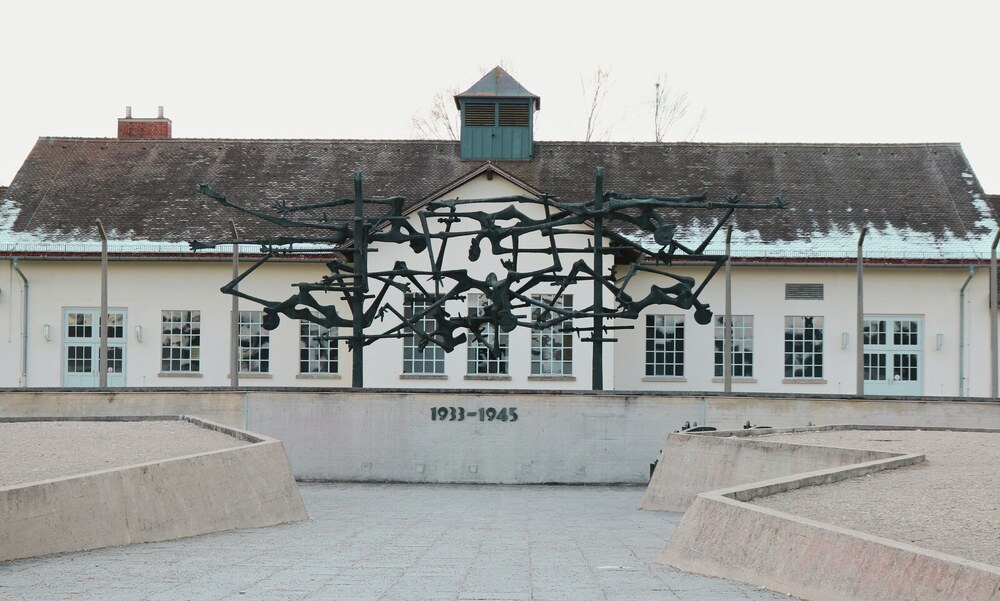
At several locations, archaeologists encountered ash mixed with slag and small bone fragments. Investigators believe these deposits contain human remains from the crematorium, but the identification has not been conclusively established. The memorial has begun discussions with remembrance communities about their appropriate treatment and commemoration. It is also considering how the newly documented area could become accessible as a place of remembrance, with respect for the victims guiding decisions about its future presentation.
You Might Also Like
The investigations were commissioned by the Freising State Building Authority with advice from the Bavarian State Office for Monument Protection. A University of Münster team conducted an additional teaching and research excavation on behalf of the memorial. Mathias Pfeil, head of the Bavarian heritage authority, stressed that archaeological evidence must be assessed alongside photographs, documents and testimony. As fewer survivors remain able to recount their experiences, such combined research is increasingly important for understanding and preserving the sites of Nazi persecution.