
Utah homebrewer creates beer inspired by ancient Egypt
Archaeology and homebrewing came together in a Utah backyard when Dylan McDonnell made a beer inspired by ancient Egyptian ingredients. After three years of research and preparation, he produced a brew combining references from a medical papyrus with yeast recovered from pottery dating back almost 3,000 years.
- Dylan McDonnell developed his recipe using beer references in an ancient Egyptian medical papyrus.
- His ingredients included desert dates, honey, black cumin, juniper berries and frankincense.
- A yeast culture recovered from ancient pottery helped produce a tart, fruity beer.
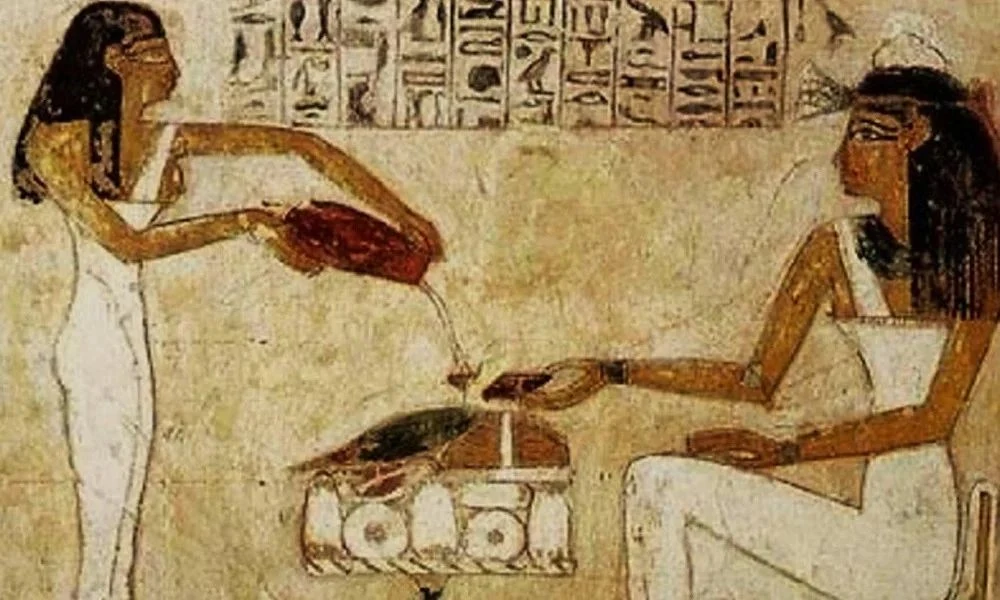
McDonnell, a homebrewer with a master’s degree in Middle Eastern studies, began the project after hearing about experiments using ancient yeast to bake bread. According to reporting published in 2024, he turned to the Ebers Papyrus, an Egyptian medical text more than 3,500 years old. Rather than following a single surviving brewing recipe, he examined approximately 75 medicinal preparations mentioning beer and selected frequently recurring ingredients to develop his own interpretation.
His shopping list was far removed from a conventional homebrewing kit. It included desert dates, Yemeni Sidr honey, sycamore figs, golden raisins, black cumin, juniper berries, carob and frankincense. Emmer wheat and purple Egyptian barley provided the grain base. Finding the ingredients proved difficult, particularly the sycamore figs, and involved extensive searching and help from contacts abroad. The project became as much an exercise in sourcing historical ingredients as in brewing.
The yeast supplied another connection with antiquity, although it came from a different place and period. McDonnell obtained a culture from Primer’s Yeast, a company working with specialists to recover yeasts from archaeological vessels. Reports identify its source as pottery from the ancient Philistine city of Gath, in present-day Israel, dating to around 850 BC. Combining this culture with Egyptian textual evidence made the beer an experimental reconstruction, rather than a demonstrably exact reproduction of one ancient drink.
You Might Also Like

The resulting batch amounted to about 38 litres and became known as Sinai Sour. Without hops, it offered a different balance from many modern beers: tart and fruity, with apricot notes and a floral finish. Brewer Chris Detrick described it as refreshing, bright and citrusy. McDonnell had no plans to sell the batch, but offered private tastings. Its historical accuracy cannot be established by taste alone, yet the experiment gave him a tangible way to explore the ingredients and processes behind ancient brewing.